
Lifting Sunken Concrete: Solutions for Settled Slabs
Your settled concrete doesn't need to stay that way, and replacement isn't your only option. Lifting sunken concrete is a proven solution that restores safety and appearance by raising settled slabs back toward level without the expense and disruption of full replacement.
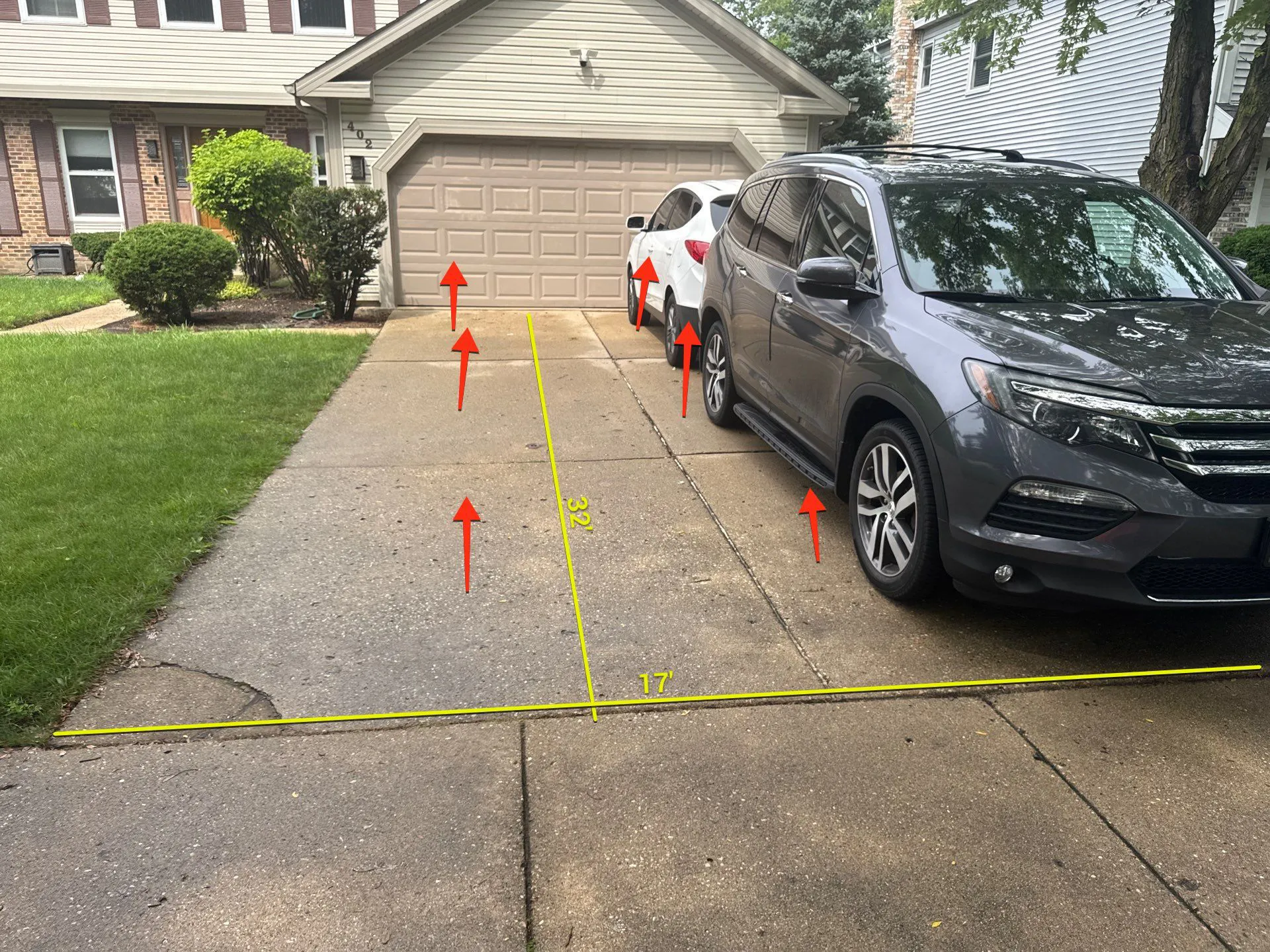
Your driveway, patio, or walkway has settled. One section is noticeably lower than it used to be, creating a trip hazard and an eyesore. You've probably considered replacement or wondered about lifting sunken concrete back to level. But before pursuing either option, you need to understand what's actually causing the concrete to sink. Most sunken concrete isn't a concrete problem at all—it's a soil problem. And addressing the soil is what actually solves it. Understanding why concrete settles and why soil stabilization is the real solution helps you make decisions that actually work.
Understanding Sunken Concrete and Why Slabs Settle
Concrete is solid and durable. But it's only as good as what's beneath it. When soil beneath a concrete slab becomes unstable or compacts unevenly, the concrete settles with it. That's when you get the visible problem: a section of concrete that's lower than it should be.
Settled slabs are incredibly common in driveways, patios, walkways, and swimming pools or pool decks. The concrete itself is usually fine. What's happening in the soil beneath the concrete is the actual problem. And here's the critical point: lifting sunken concrete without addressing the soil beneath it is a temporary fix at best.
What Actually Causes Concrete to Sink
Most concrete settling comes from soil instability. Understanding what causes sunken concrete helps you understand why soil stabilization is the real solution.
The primary causes of settled concrete include:
Soil instability from poor original compaction or preparation
Soil compacting further over years as weight and moisture changes stress it
Erosion creating voids beneath concrete where soil has washed away
Water infiltration weakening soil and destroying its load-bearing capacity
Freeze-thaw cycles in cold climates that expand and contract soil
Tree roots and vegetation affecting soil stability
Expansive soils that shrink and swell with moisture changes
Poor drainage allowing water to saturate and destabilize soil
All of these are soil problems, not concrete problems. The concrete isn't failing. The soil beneath it is unstable or deteriorating. Lifting the concrete doesn't fix the soil. Once you lift it, the unstable soil will eventually settle again, and your concrete will sink again.
Why Lifting Sunken Concrete Without Soil Stabilization Doesn't Work
This is the fundamental problem with most concrete lifting approaches. They address the symptom, not the cause.
You can inject foam beneath sunken concrete and lift it. You can use hydraulic jacks and raise it. You can use mudjacking or other methods to restore it to level. But if the soil beneath the concrete is still unstable, the concrete will settle again. You've spent money lifting it, but you haven't solved the actual problem.
This is why lifting sunken concrete is only part of the solution. The real solution requires addressing what's happening in the soil. Once soil is stable, lifted concrete stays where you've lifted it. Before soil is stabilized, any lifting is temporary.
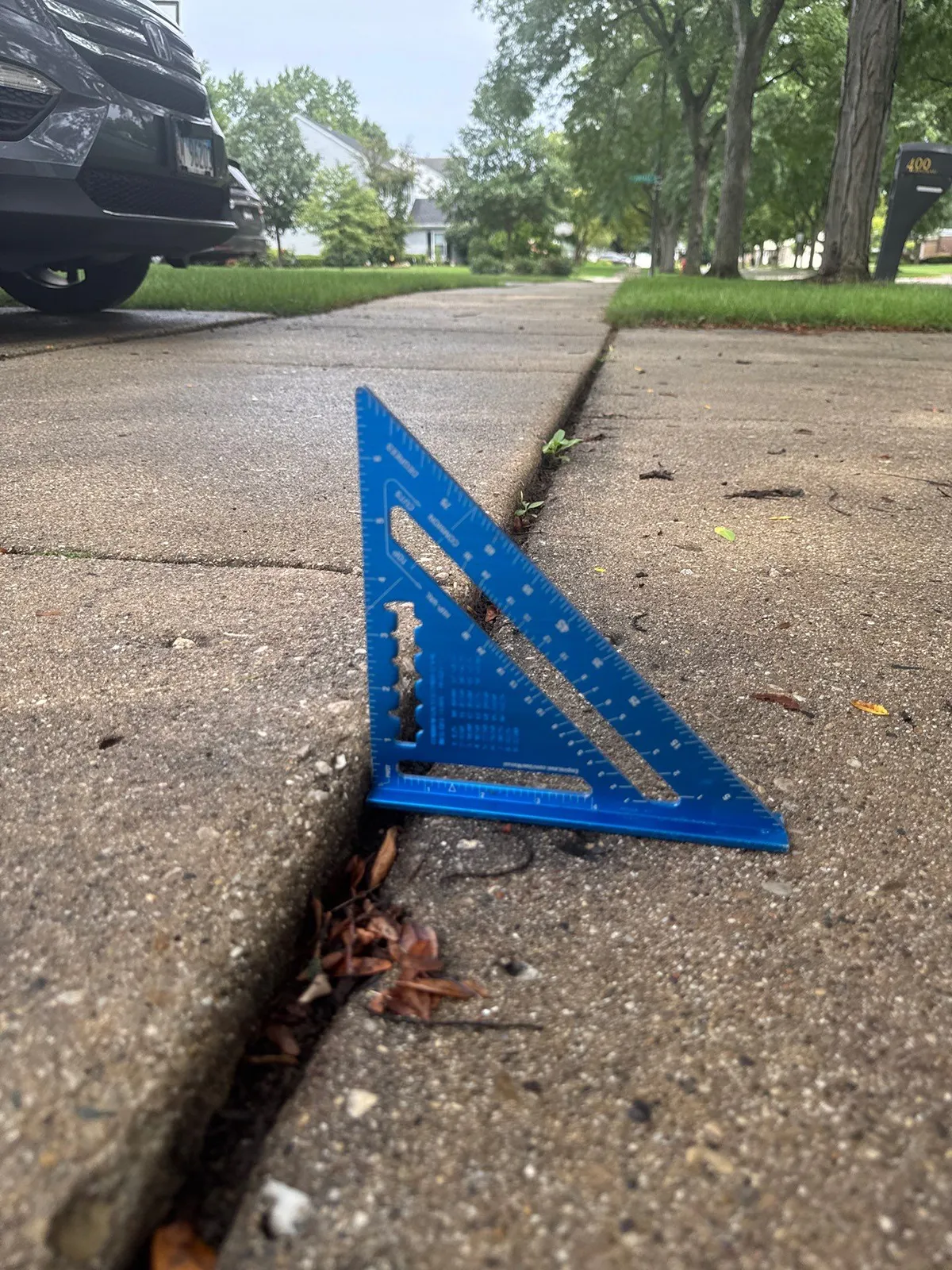
The Soil Stabilization Solution: Addressing Root Causes
Soil stabilization through deep soil injection technology addresses the actual problem beneath sunken concrete. Instead of just lifting the concrete, this approach strengthens the soil beneath it so the concrete won't settle again.
Deep soil injection uses expanding polymer materials injected directly into unstable soil. The polymer expands, compacts loose soil, fills voids, and restores the soil's load-bearing capacity. Once the soil is stabilized and strong, it can support the concrete properly. The concrete can then be lifted back toward level, and because the soil is now stable, it will stay there.
This is the comprehensive solution. Stabilize the soil first. Then lift the concrete if needed. The result is concrete that's level and a soil foundation that can support it long-term.
Recognizing When Sunken Concrete Needs Professional Assessment
Not every uneven concrete surface needs work. But certain situations indicate that professional evaluation is warranted.
You should consider professional assessment if:
Visible slopes or unevenness create trip hazards
Sections of concrete have settled more than an inch or two
Multiple problem areas suggest systemic settlement rather than isolated issues
Water is pooling on concrete due to poor drainage created by settling
Gaps between settled concrete and adjacent surfaces are widening or increasing
Aesthetic concerns are significant and affect property appearance
Settlement appears to be active and getting progressively worse
Professional assessment determines whether soil is the problem, how unstable the soil actually is, and what stabilization would accomplish. Assessment reveals whether lifting sunken concrete without soil work is temporary or whether soil stabilization is the real solution needed.
How Soil Stabilization Works
Deep soil injection stabilizes soil by injecting expanding polymer materials into unstable areas. The process addresses sunken concrete at its source.
The approach involves:
Professional assessment determining where soil is unstable and where injection is needed
Drilling access points to reach the unstable soil
Injecting expanding polymer materials into the soil at strategic depths
The polymer expands, compacting loose soil, filling voids, and strengthening load-bearing capacity
Multiple injections as needed to fully stabilize the affected area
Verification that soil is now stable and can support structures above it
Once soil is stabilized through deep soil injection, the problem is solved at the root. The soil that caused the concrete to sink is now strong and stable. Concrete that was sitting on that soil can then be lifted if needed, and it will stay level because it's now supported by stable soil.
Lifting Sunken Concrete After Soil Stabilization
Once soil has been stabilized, lifting sunken concrete back toward level is a secondary step that ensures your concrete is fully restored.
After soil stabilization, concrete lifting can involve various techniques to raise the settled slab back to its proper elevation. The key difference is that now the concrete is supported by stable soil, so whatever method is used to lift it will have lasting results.
Different situations might call for different lifting approaches once soil is stabilized. But the critical point is that the soil foundation is now solid. The lifted concrete will stay level because it's supported by stabilized soil that won't continue to settle or move.
Why This Comprehensive Approach Works
The comprehensive solution—soil stabilization followed by concrete lifting—solves both the immediate problem and the underlying cause.
Stabilizing the soil prevents future settling. The soil that caused your concrete to sink is now strong and stable. Lifting the concrete restores function and appearance. You get a level surface that's supported by soil that can actually hold it in place.
This is why comprehensive solutions cost more upfront than quick fixes. But they work. The concrete stays level. The problem doesn't recur. The investment protects your property long-term.
The Cost of Addressing Sunken Concrete Properly
Soil stabilization through deep soil injection costs less than concrete replacement and significantly less than repeated repair attempts that don't address the root problem.
Understanding what affects cost helps you evaluate solutions and know what you're paying for:
How unstable the soil is and how much injection is needed
The size of the area requiring stabilization
Whether concrete lifting will follow soil stabilization
Accessibility and site conditions
Local costs and contractor overhead
Complexity of the situation
A detailed assessment determines actual costs. Contractors estimating without proper evaluation are guessing, and that guess might miss hidden complexity.
Prevention: Protecting Concrete Long-Term
Once soil has been stabilized and concrete has been lifted, protecting your investment involves maintaining drainage and monitoring for any new issues.
Prevention approaches include:
Proper drainage around concrete to keep water from saturating soil
Regular inspection to catch any new settling early
Addressing water infiltration and pooling immediately
Managing trees and vegetation near the concrete
Maintaining gutters, downspouts, and grading
Monitoring the concrete over time for any new movement
With stable soil beneath it, your concrete is protected. But good drainage and maintenance extend its lifespan and prevent problems from developing.
Professional Assessment: Understanding Your Real Problem
Before you commit to any concrete lifting or repair, professional assessment clarifies what's actually happening and what solutions address the root cause.
A proper assessment includes:
Evaluation of soil conditions beneath the concrete
Determination of whether soil is stable or unstable
Assessment of how much soil stabilization would restore stability
Explanation of how stabilizing soil solves the sunken concrete problem
Discussion of whether concrete lifting should follow soil stabilization
Clear recommendations on the comprehensive approach
If you've noticed sunken concrete and you're wondering whether soil stabilization through deep soil injection is the solution, Stratalock USA can evaluate your soil conditions and explain how stabilizing soil addresses the root cause of your settled concrete. We explain why soil stability is the key to solving sunken concrete problems and keeping them solved.
Sunken Concrete Doesn't Have to Be Permanent
Your settled concrete is telling you something is happening in the soil beneath it. Addressing that soil problem is what actually solves the issue—not just lifting the concrete and hoping it stays level.
Soil stabilization through deep soil injection strengthens unstable soil, restores its load-bearing capacity, and prevents future settling. Once soil is stable, concrete that was settling stops settling. Concrete that has already settled can then be lifted and will stay level because it's now supported by stable soil.
This comprehensive approach addresses both the visible problem and the root cause. It's the difference between a temporary fix and a permanent solution.
If your concrete has settled and you want to understand whether soil stabilization is what your situation actually needs, Stratalock USA can evaluate your soil and explain how stabilization solves the problem at its source. We focus on addressing root causes rather than just treating symptoms. If you'd like professional evaluation of whether soil stabilization through deep soil injection is the solution for your sunken concrete, get in touch for a free assessment.
Get a free assessment and cost comparison for your foundation project. Discover exactly how much you can save with deep soil injection technology.