
Basement Waterproofing: Costs & Financing Options
Most wet basements are a drainage problem, not a waterproofing project, and the fix is often outside the house rather than under it. Naming what actually let the water in is what decides the size of the bill — and whether you need basement waterproofing financing at all.
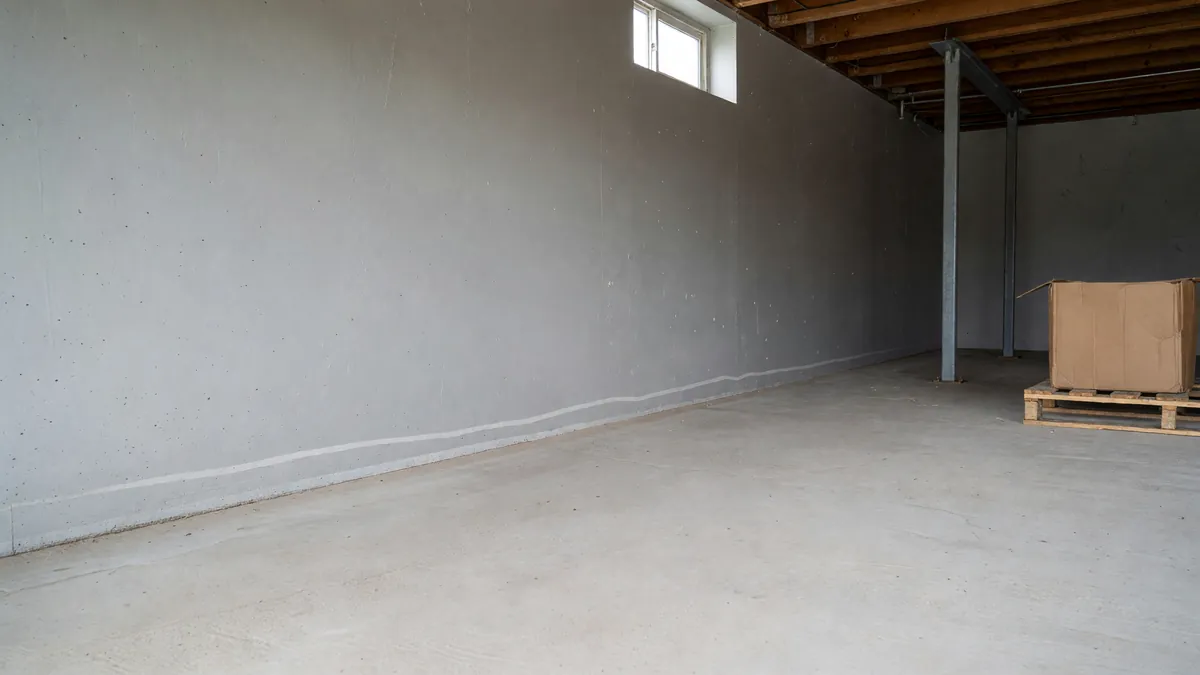
You notice it after the storm. A darker line along the basement wall, a few inches above the floor, that was not there yesterday. The paint feels cool. The concrete behind it looks damp rather than wet, and by evening it has faded to a pale tide mark. You check it again in the morning to be sure.
The questions come quickly. Is the foundation failing? Is this the start of a repair that costs more than you have on hand? Will you be searching for basement waterproofing financing before anyone has told you what is actually wrong?
The reality is more measured. Most damp basement walls trace back to water that was never directed away from the house, and the fix is often outside, not under it. A smaller share involve water coming through a crack that is still moving. The damp line is what you can see; in those cases, the soil under the footing is what failed.
Both mistakes cost you, and they cost you in opposite directions. Pay for a full waterproofing system when a downspout extension would have done the job, and you have bought a solution to a problem you did not have. Finance a cosmetic fix while water keeps softening the soil under the footing, and you will be making payments on a repair that is already coming undone. That is why the method question comes before any basement waterproofing financing question. Knowing what actually failed decides what the work costs, and whether you need to borrow for it at all.
Why a Wet Basement Is a Symptom, Not the Problem
Start with the roof. Every storm that lands on the shingles runs to a downspout, and if that downspout stops at the foundation, the whole roof's worth of water soaks into the few feet of ground beside the wall. Add a lawn that has settled until it slopes toward the house, and the soil against the basement stays wet long after the yard has dried.
Wet soil is heavy, and below grade it pushes. Once the surrounding ground is saturated, water presses against the walls and up through the floor, looking for a cold joint, a crack, or a porous patch. That is hydrostatic pressure, and it is why a wall can weep with no visible opening at all. It is also why sealing the inside face so often holds for a season and then does not; the pressure never left.
The last source is different in kind. Some cracks were not forced open by water. They opened because the ground beneath the footing moved—washed out, dried and shrank, or never compacted—and the wall settled with it. Water follows a crack like that because it is the easiest path in, and the crack keeps widening because the soil is still moving.
Most of these sources are drainage problems, and those live outside. The damp wall is the symptom you can see. Saturated or weak soil is what actually failed.
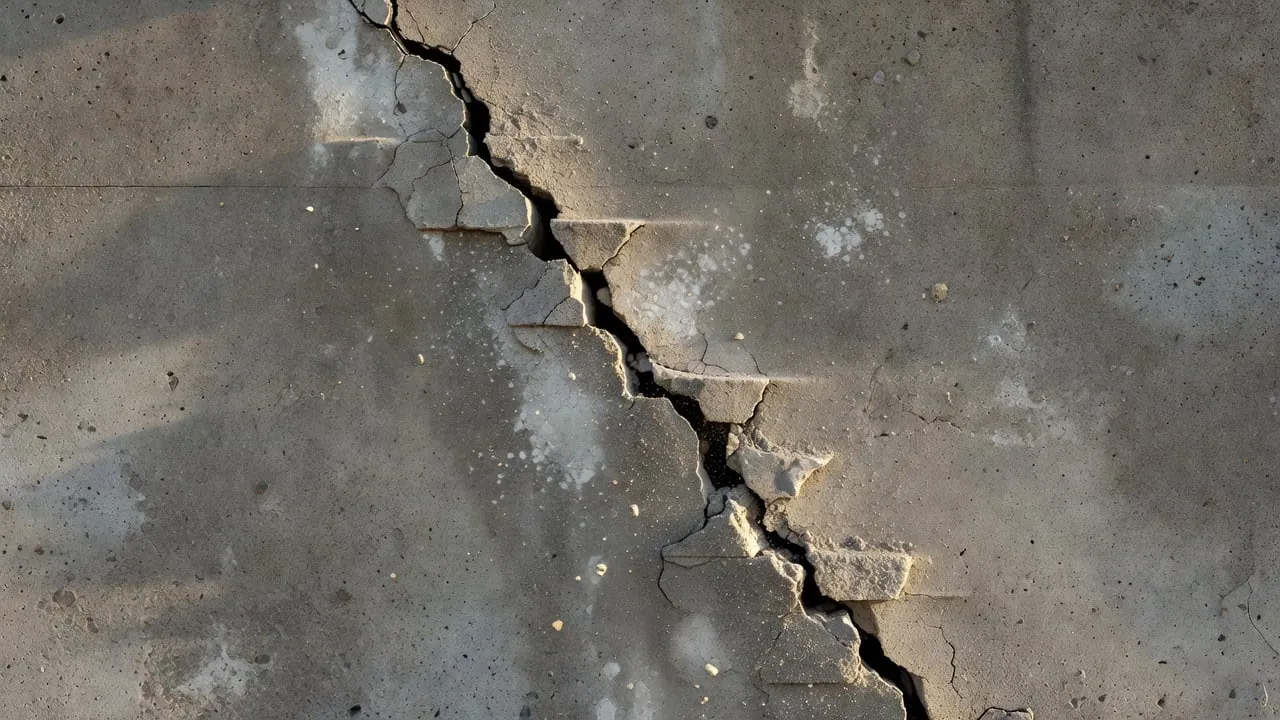
Signs of Water Getting In, Sorted by What They Mean
Not every sign of water means the same thing, so sort them by what they are telling you.
- Efflorescence. A white mineral bloom left where water passed through the wall and evaporated.
- Damp patches after rain. Spots that darken within a day of a storm and fade as the yard dries.
- A musty smell. Humidity that never clears, with or without a visible wet spot.
- Water through a vertical wall crack. A narrow, straight crack that has not changed, leaking only when the ground outside is soaked.
- Seepage at the floor-wall joint. Water rising at the cove joint, where slab meets wall, from beneath.
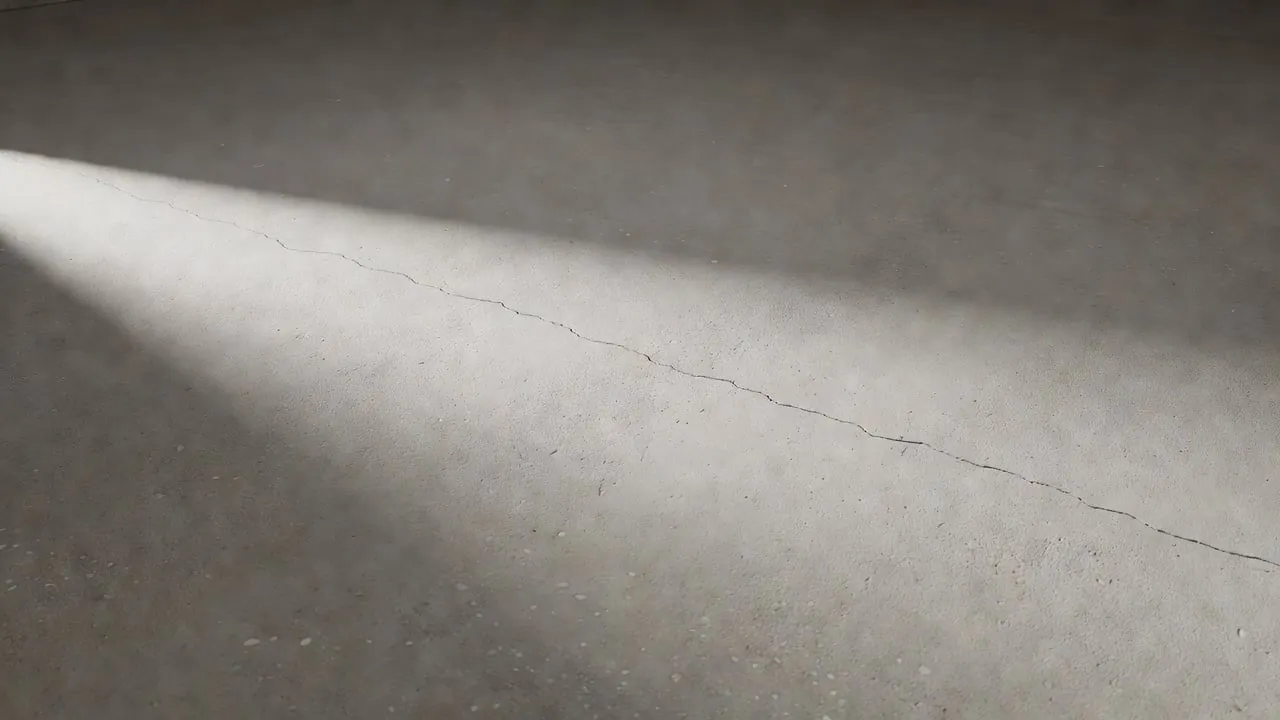
- A floor crack that weeps. Water coming up through the slab, sometimes with the crack edges no longer level.
- A sump that never rests. A pump cycling in dry weather, which means groundwater at the footing, not roof water.
The first four are surface water and drainage: roof runoff and inward grading putting more water against the wall than the ground beside it can carry. The last three point to hydrostatic pressure or soil movement; that water is being pushed rather than soaking in, and shifted crack edges mean the soil beneath the wall has moved. Only the second group changes the cost conversation.
Timing sorts you. Water that arrives within a day of rain and leaves as the yard dries is the first group. Water that shows up regardless of weather, or follows a crack wider than it was last season, is the second.
The Fixes You May Not Need to Pay For
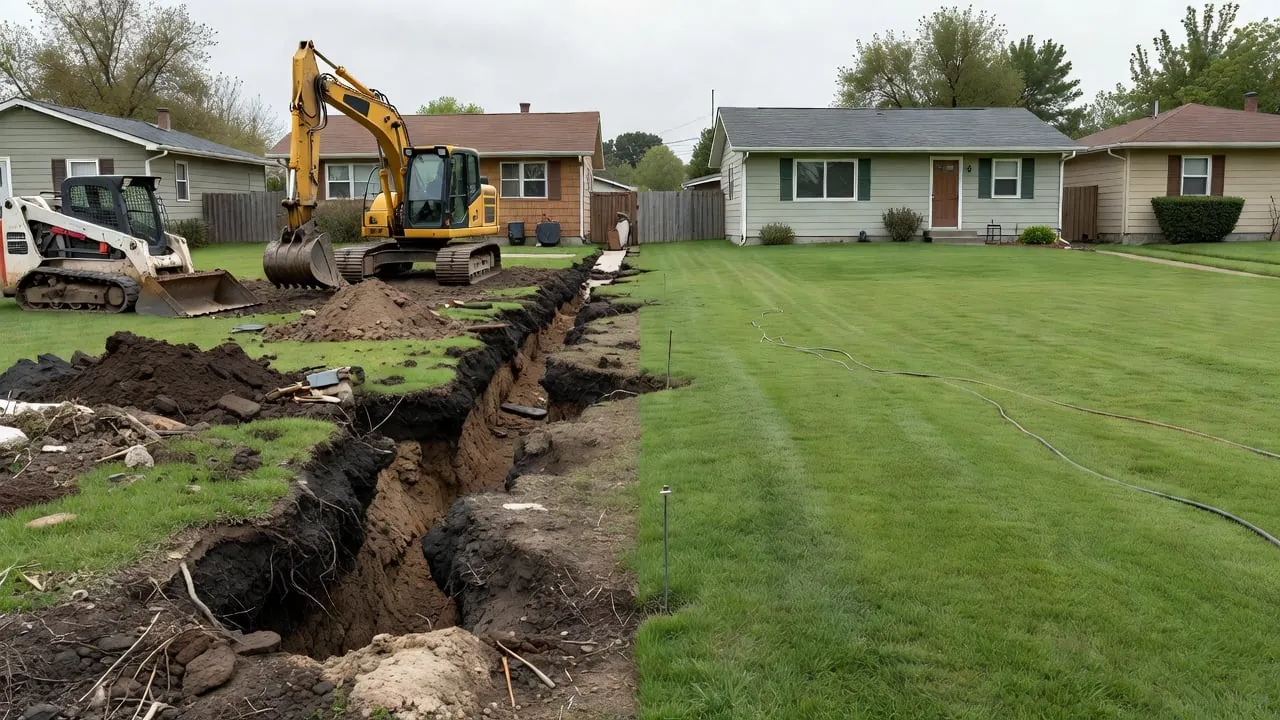
Before anyone quotes you a system, spend a weekend on the outside of the house. Clean the gutters. Put extensions on the downspouts so the water lands well away from the wall instead of beside it. Regrade the ground nearest the foundation so it falls away from the house rather than toward it. Inside, run a dehumidifier if the musty smell is the main complaint. For a great many basements, that is the whole answer, and none of it needs financing. If your water belongs to the first group on the list above, Stratalock is not what you need.
A stable hairline crack that leaks only when the ground is soaked belongs in the same category. A breathable sealer is a simple, inexpensive preventive measure and often all you need. The distinction that matters is whether the crack is stable or still moving, and telling a stable crack from a progressive one is mostly a matter of watching it over time. Floor cracks work the same way; sealing a small crack in the basement floor is fine when the slab sits on soil that has stopped moving, and only a temporary measure when it has not.
One honest caveat. Do these first, then watch across a wet season. If the water keeps coming when the drainage is right, or the crack has changed since you sealed it, you have learned something worth knowing before you spend.
What Basement Waterproofing Actually Costs, and Why
You will not find a dollar figure in this section. A number that does not come from someone looking at your basement is a guess, and a real number comes from a free on-site assessment, where the cause gets named before the method does. What this section can do is show you what moves the bill, which is the same thing that moves any basement waterproofing financing decision.
- Exterior or interior work. Reaching the outside face of a below-grade wall is a bigger job than treating the face you can already see.
- Whether anyone has to dig. Excavation brings equipment, days on site, and a yard to put back.
- Linear feet. Most methods are priced along the wall or joint being treated; one leaking corner is a different job from four walls.
- Active leak or seasonal seepage. Water running now needs a method that cures under flow; damp after rain often does not.
- Finished or unfinished walls. Drywall and flooring either come off and go back on, or the method has to work through them.
- The restoration line. Landscaping, drywall, flooring, paint. It rarely appears on the first quote and usually appears on the last invoice.
Four methods cover nearly every quote you will see: exterior membranes with excavation, interior drainage systems, injection from the inside, and foundation repair when the leaking crack is still moving. Each sits differently against the drivers above, and they follow in that order.
Exterior Membranes and Excavation
Exterior waterproofing starts with a trench. The soil comes away from the wall down to the footing, the outside face is cleaned and coated with a membrane, drain tile goes in at the footing to carry water away, and the trench is backfilled. Then whatever was in the way goes back: the walk, the deck, the beds along that wall.
It works. A membrane on the outside face stops water on the side it arrives from, and the drain tile gives it somewhere else to go.
It is also the most expensive line on nearly every quote, and the membrane itself is not why. The cost is the equipment to open the trench, the labor to run it, the days on site, and the restoration at the end. For a whole wall that has failed, or a full perimeter treated while a larger exterior project already has the ground open, that is a fair price. For one leaking crack or joint, it is more than the problem warrants.
Interior Drainage Systems and Sump Pumps
An interior drainage system does not try to keep water out of the wall; it manages the water after it arrives. The slab is cut along the perimeter, a channel and drain go in at the footing, the water is routed to a sump basin, and a pump lifts it out of the house.
The disruption sits in the middle. A saw cut runs around the room, concrete comes out and goes back in, and finished walls along that edge come off. The pump is then yours to keep. It needs maintenance, a battery or backup for the storm that cuts the power, and it runs through every wet season.
For a house where groundwater rises at the footing regardless of weather, that is a reasonable fix and sometimes the right one. The honest limit is what it does not do. Water still passes through the concrete on its way to the drain, and a crack the system drains is a crack that remains open.
Injection Waterproofing From the Inside
Injection waterproofing works from the inside face of the wall, so nothing outside has to move. We drill small access ports along the crack or joint, typically smaller than a dime, and inject a hydrophobic polymer through them. It follows the path the leaking water is using, expands to fill the crack and any voids behind it, and cures under flow, so an active leak can be sealed while it is running. Finished walls stay finished, and most projects are completed in one to two days.
Set that against the drivers above. No trench, so no equipment and no yard to put back. No restoration line, because the ports are sealed and the finishes were never disturbed. Work priced along the crack or joint being treated, not around the whole perimeter. That is the comparison on our service page, 60%+ less than membrane replacement: the trench and the rebuild never happen.
The limit is honest. Injection seals the path water is using; it does not fix grading that slopes inward or a downspout emptying at the wall, and it will not hold a crack still opening because the soil beneath it is still moving. That is a different bill.
When the Bill Is Really a Foundation Bill
Sometimes the water is the smaller problem. If the crack it follows has widened since you sealed it, or the edges no longer sit flush, the wall is being moved by something beneath it, and no sealant reaches that far. The crack is what you can see. The weak soil under the footing is what gave way.
There are two ways to treat it, and both work. Traditional pier systems carry the load past the weak layer to deeper stable ground; they require excavation and heavy equipment, and they leave the weak soil where it was. Deep soil injection treats the soil itself, without a trench, and the published comparison is 40–70% less than traditional pier systems for the same reasons that separate injection from a membrane. For a foundation that has actually failed, replacement is a real last resort, but a moving crack rarely ends up there.
So there are two bills here, and they are not the same bill. Waterproofing seals the path the water is using; foundation repair stops the crack from opening another. Size the second before you think about financing either, because water sealed out of a moving crack comes back through the next one.
How to Read a Basement Waterproofing Quote
Before you compare basement waterproofing financing options, read the quote as a document that either names a cause or does not. A line that says "seal wall crack" tells you what the contractor plans to do to the symptom. It does not say why the wall is wet, which is the question the money answers. Check the paper against this list.
- The cause. Roof water, inward grading, hydrostatic pressure, or a moving crack over weak soil. If the quote does not say which, ask.
- The method, and why it fits. Excavation, an interior drain, injection, or soil stabilization should each trace back to the cause named above.
- What is excluded. Landscaping, drywall, flooring, paint, permits. If the quote is silent on restoration, assume it is yours.
- What you will own afterward. A pump means maintenance and a backup; a sealed crack should mean nothing at all.
- What happens if water returns. In writing, with who comes back and at whose cost.
Here's the critical thing about a waterproofing quote: the cheapest one that leaves the cause in place is the most expensive one you can sign. You pay for it twice and finance it once, and the second bill arrives while water is still at work under the footing. Once a quote names a cause and a method that fits it, the number at the bottom is a number you can decide how to pay.
Basement Waterproofing Financing Options
Every basement waterproofing financing question starts with the size of the bill, not the rate. A repair priced along one leaking joint, with no trench and no restoration line, is a different sum from a full perimeter dig, and that gap decides whether you pay from savings or borrow. The cheapest financing is a smaller bill, which is why the method came before the loan in this article.
Stratalock is a contractor, not a lender. What follows is how homeowners commonly handle basement waterproofing financing, written as education rather than advice: categories only, with no rates, no terms, and no recommendations. The numbers belong to a lender or advisor who can see your whole picture.
Five categories cover nearly every case: savings, home equity borrowing, personal loans and contractor financing, refinancing and renovation loans, and the question of whether insurance pays any of it.

Paying From Savings, and Why the Method Decides Whether You Can
Line the methods up against what you have set aside and the answer is usually plain. The drainage fixes from earlier are a weekend and a hardware run. A one-joint injection is a short job inside the house, with no trench and no restoration line, and for many households that sum fits within an emergency fund. A full-perimeter excavation is equipment, days on site, and a yard to rebuild; that is the project that pushes most households to borrow. The method decides the bill.
One honest note before you write the check. Paying cash for the wrong fix is still the wrong fix. Savings spent sealing a crack that is still moving are gone when it reopens, and the second repair arrives with nothing set aside for it. Cash removes the interest; it does not remove the cause.
Home Equity Loans and HELOCs
Both borrow against the equity in the house to pay for work on the house. A home equity loan is a lump sum, paid out at closing and repaid on a fixed schedule at a fixed rate. A home equity line of credit, or HELOC, is a line you draw on as invoices arrive, often at a variable rate that moves with the market.
What to weigh is plain. Both are secured by the home, so missed payments put the house itself at risk. A lump sum suits one known bill; a line suits work that arrives in stages, or a restoration line still open. Fixed means the payment does not change; variable means it can. Lenders look at your equity and take time to close, so neither is the tool for a leak running this week. Talk to a lender before you sign, and read the quote first.
Personal Loans and Contractor Financing
A personal loan from a bank or credit union is not secured by the house. That is the whole trade: nothing is pledged, so it closes faster than equity borrowing, and it generally costs more to carry for the same reason. You get a fixed payment over a set term, and the lender never asks what the money was for.
Contractor financing is the other unsecured route, and it is worth understanding what it is. Many contractors offer it, but the loan belongs to a third-party lender, not the contractor; the paperwork usually happens at the estimate, alongside the quote. Ask any contractor, including us, during the estimate, and put the same questions to each.
- Who the lender actually is, by name, on the paperwork.
- Whether a promotional period exists, and what the rate becomes when it ends.
- Whether deferred interest applies retroactively if the balance is not cleared in time.
- Whether the financed amount includes the restoration line, or only the contractor's own work.

Cash-Out Refinancing and Renovation Loans
A cash-out refinance replaces your whole mortgage with a larger one and hands you the difference. It also resets the term and the rate on everything you owe, not just the repair, so it makes sense only when the rest of the refinance would have made sense anyway, and it takes weeks to close. Renovation loans, including government-backed ones, fold the cost of the work into a mortgage or a purchase; most require the contractor's written scope before closing, which is one more reason a quote that names the cause matters. These are heavier tools, built for a full-perimeter excavation bundled into a larger renovation rather than a one-joint repair. Talk to a lender before you count on either.
Does Homeowners Insurance Cover Basement Waterproofing?
Usually not, and the exceptions are narrow. A standard homeowners policy covers sudden, accidental damage, and water that seeps through a wall, rises from groundwater, or is pushed in by hydrostatic pressure is none of those, so it is generally excluded. The waterproofing itself is excluded for a second reason: insurers treat it as maintenance, and maintenance is the owner's cost.
Sudden events sit differently. A supply line that bursts and floods the basement is what a policy is written for, and the damage that water does to finishes and belongings may be covered; the waterproofing that follows usually is not. Surface flooding from outside is a separate flood policy, not homeowners.
The practical steps are plain. Read the water-damage and exclusions sections of your policy, not the summary. Photograph the damage with dates before anything is cleaned up. Call your agent before you file, and ask what would be covered and what a claim does to your premium.
One Project Where Water Was the Cause and Soil Was the Fix
In Overland Park, Kansas, a property management company called about an office floor that had dropped. A high-volume water line had ruptured beneath the building, and the escaping water severely eroded the soil under the floor, leaving large subterranean voids that pulled the slab down. Sealing the floor would have left those voids in place. Instead, Stratalock drilled a 4-foot grid of 3/8-inch access ports through the affected slab and injected high-density structural polymer, which filled the voids, compacted the weakened subgrade, and lifted the settled floor back to level. Deep soil injection beneath the exterior footing then stabilized the foundation against future settlement. The Overland Park office floor project is completed work.
The residential version is the same. In Chicago, rear patio slabs had sunk three inches, pulling away from the home and leaving a trip hazard at the back door. The soil was weak, and poor drainage made it worse; water pooled against the patio after every rain. A targeted injection plan lifted the slab and compacted the weak soil, and downspouts were added to redirect water away. The sinking patio in Chicago took under four hours.
Water was the cause in both; the soil was the fix. In Chicago the drainage and the soil were treated in the same visit, because one without the other would not have held.
How Injection Waterproofing and Deep Soil Injection Work
Both methods work from inside the house, with no trench, and both follow the same order: find the cause, plan the injection, inject, verify.
Sealing the wall:
- We inspect the basement for water ingress points: active leaks, damp patches, and efflorescence where water has already passed through.
- We map every crack and joint and assess the hydrostatic pressure and groundwater conditions pushing water toward them.
- We write a treatment plan naming the polymer, the injection volumes, and the port placement.
- We drill small access ports along the cracks and joints. Finishes stay intact.
- We inject a hydrophobic polymer through the ports. It follows the path the leaking water is using, expands to fill the cracks and voids behind them, and cures under flow into a permanent waterproof barrier.
- We verify water-tightness under simulated or actual water pressure.
- We seal the ports and restore the finishes.
If the crack that let the water in is still moving, sealing it treats the symptom; the soil beneath it is the next job.
Stabilizing the soil under it:
- Dynamic cone penetrometer testing measures soil density beneath the foundation and finds the weak zones.
- We build a custom injection plan that targets the depths and locations the testing found.
- We drive small injection probes to predetermined depths beneath the footing. No excavation.
- We inject high-density expanding structural polymer into the weak subgrade, where it fills voids, compacts loose soil, and increases the soil's load-bearing capacity.
- As the polymer expands, it lifts the foundation back toward level, with lift levels monitored in real time. Stabilizing and lifting happen together.
- We verify the result, remove the probes, and patch the probe holes.
The polymer does not leave with the next storm. It won't shrink, degrade, or wash away; it becomes a permanent part of the soil mass. Most residential projects are completed in a single day, and you are home while it happens.
Keeping Water Away From the Foundation in the First Place
Most of what protects the repair you just paid for happens outside, in the places you checked before the quote. Keep the downspouts discharging well away from the wall, and look at them after a storm; extensions get kicked loose. Walk the grade against the house again once the yard has settled, because ground that fell away from the wall in spring can tip back toward it by fall. Clear the gutters through leaf season, not once after it. Inside, hold the humidity steady so the basement is not sweating from its own air.
Watch the sealed crack as well. Take a dated photo now and another after a wet season, and compare them. A crack that has not changed is a crack you are done paying for, which is what keeps the smaller bill small.
The limit is honest. Prevention keeps new water away from the wall; it cannot firm up soil that has already lost support. A crack that keeps opening after the drainage is right is telling you the soil under the footing is still moving.
Most Wet Basements Are a Drainage Problem, but Water Through a Moving Crack Isn't
If the water arrives with the rain and leaves with it, fix the drainage first. Extend the downspouts, regrade the ground against the wall, clear the gutters, and watch the basement through a wet season before you sign anything. For most basements that is the whole repair, and you may owe nothing more.
If the water follows a crack that keeps changing, or arrives regardless of weather, the drainage was never the cause. Treat the wall and treat the soil under the footing, and choose the method before you choose the financing, because the method is what sets the bill. A sealed crack over stabilized soil is a repair you pay for once. The cost question and the basement waterproofing financing question both get smaller when the cause is named first.
When you are ready, Stratalock offers a free on-site assessment from our geotechnical experts, where the cause is named before the method is. You can read how the work goes, from soil testing to patched ports, and book the assessment online, or call (855) 850-5625 or write to hello@stratalockusa.com. If your water belongs to the first branch, we will tell you so.
Get a free assessment and cost comparison for your foundation project. Discover exactly how much you can save with deep soil injection technology.